Let's start with something uncomfortable.
You probably know someone who has been hit by a UPI scam. A relative. A friend. A colleague. Someone who “should have known better” but still lost money because of a QR code, phone call, or fake payment request.
And here's the important part:
Modern cybercriminals don't break encryption. They manipulate: fear, trust, urgency, panic, and confusion. That's what makes UPI fraud dangerous.
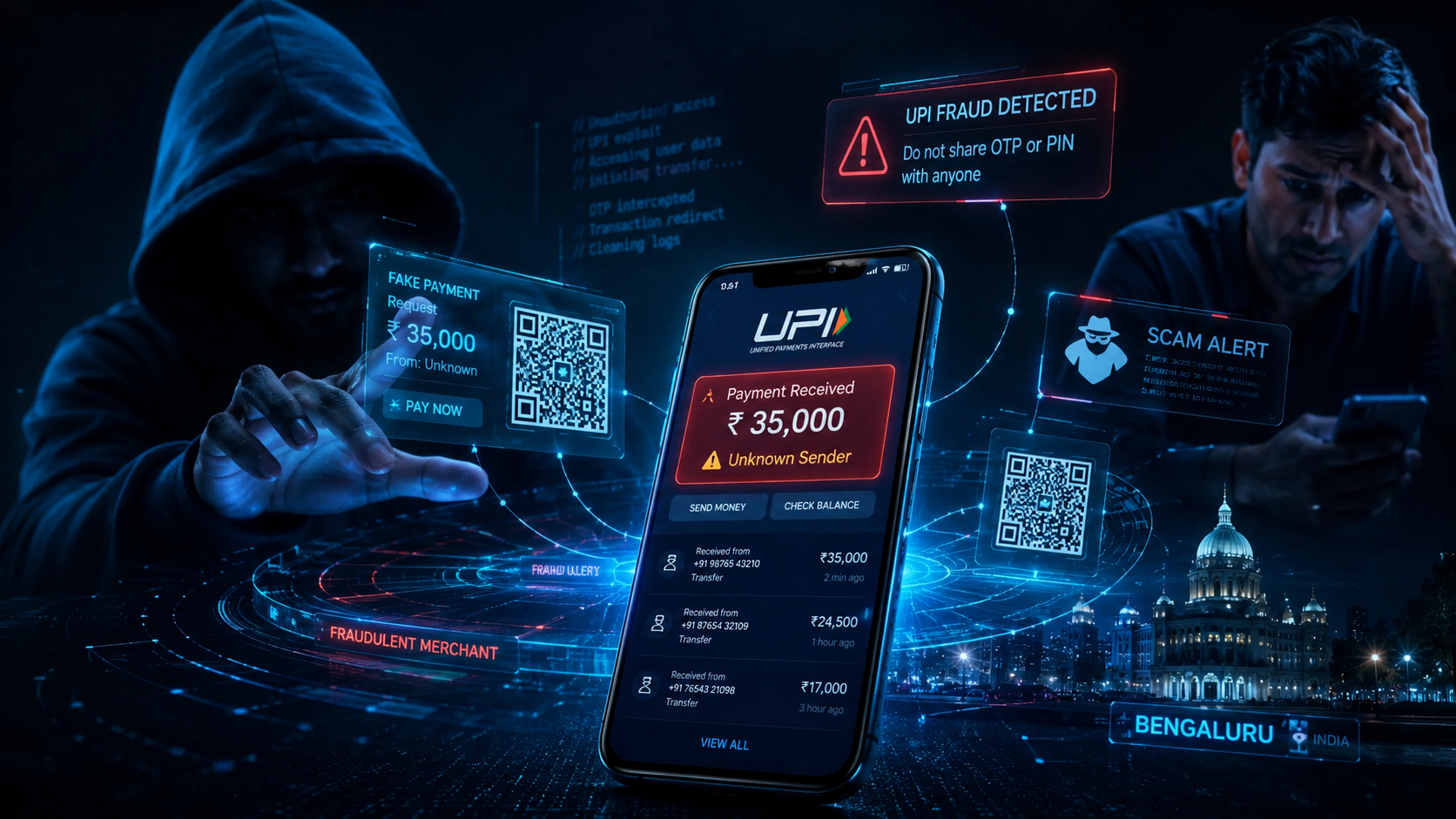
Cybercriminals exploit urgency, fear, and trust to manipulate victims.
Why UPI Fraud Has Exploded
India's UPI ecosystem is massive. As of 2025:
- 18.68 billion monthly transactions
- ₹25.14 lakh crore processed
- 684 banks connected to UPI
- 622 million+ daily transactions
But these numbers also created a massive attack surface for scammers.
The RBI also reported a major increase in digital payment fraud cases. A LocalCircles survey found:
The Scam Formula Fraudsters Use
Most scams follow the same structure:
- Contact victim
- Create urgency or greed
- Confuse the target
- Trigger quick action
- Money disappears instantly
Understanding this pattern makes scams easier to detect.
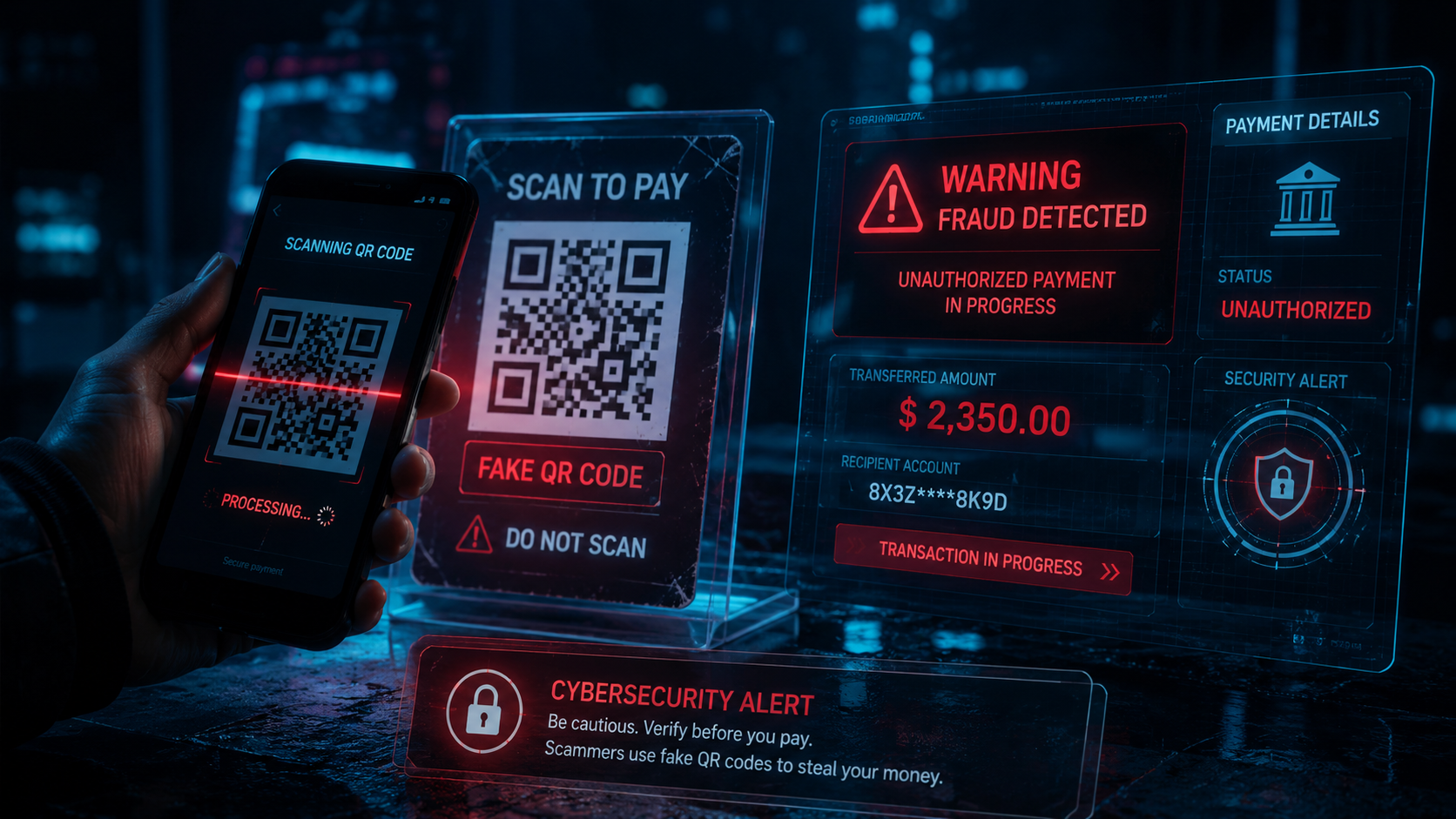
Fake QR codes are heavily used in refund and marketplace scams.
1. QR Code Scam
This scam exploits one dangerous misconception:
Typical scenario:
You list a product on OLX or Facebook Marketplace. A fake buyer says:
“Scan this QR to receive payment.”
You scan it. Your UPI app opens. You enter your PIN. You think money is coming IN. But you're actually sending money OUT.
Several real-world cases across India have used this exact method, including fake QR sticker scams placed on merchant counters.
2. Collect Request Scam
Scammers send fake collect requests that appear like incoming payments. Victims approve them, thinking money is being received. Instead, they authorize outgoing transactions.
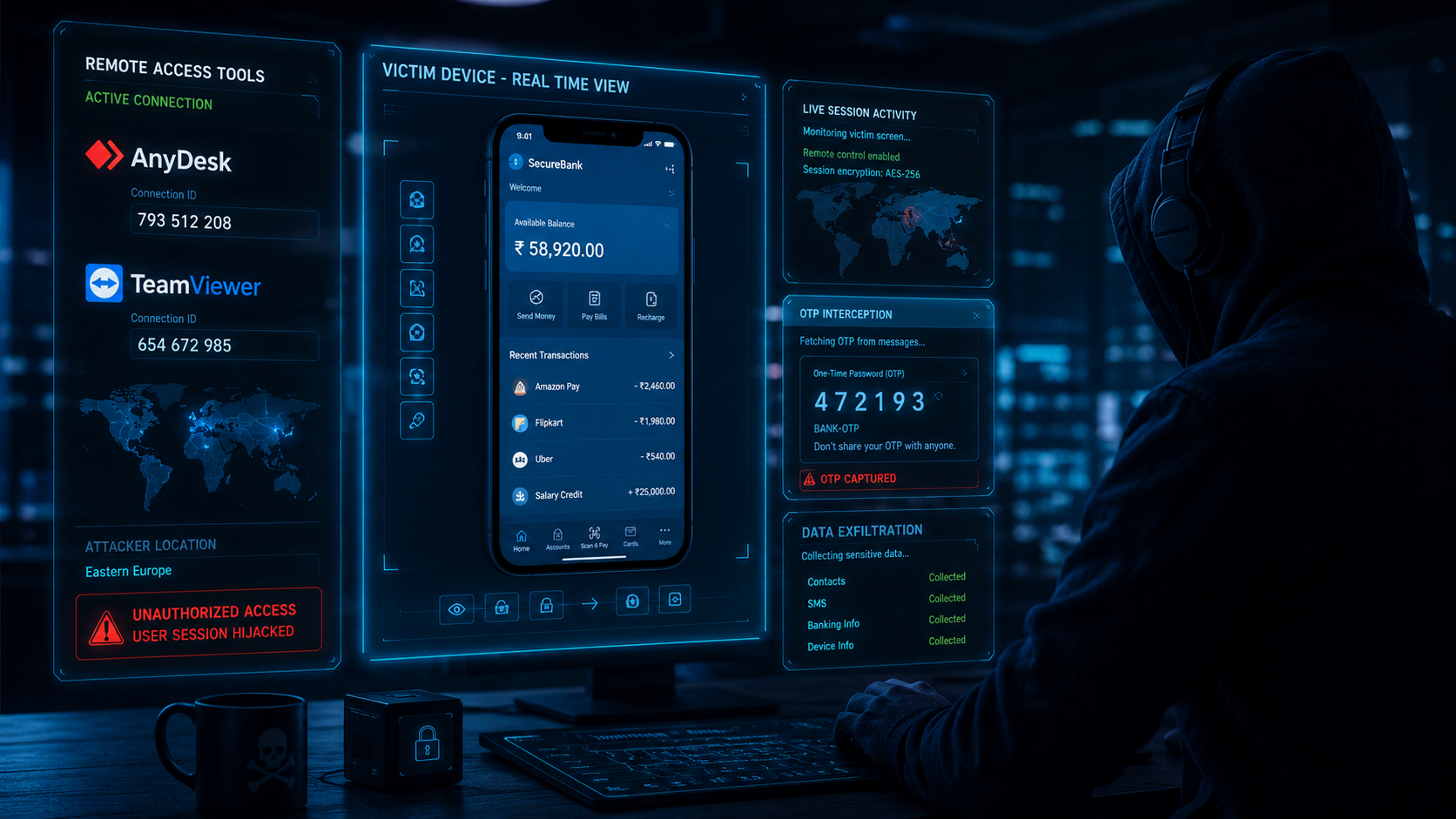
Remote access apps allow attackers to monitor banking activity, OTPs, and sensitive information.
3. Remote Access Scam (AnyDesk / TeamViewer)
This is one of the most dangerous scams active today. Fraudsters pretend to be:
- Bank support executives
- KYC verification officers
- Refund agents
- UPI support teams
Victims are told to install:
- AnyDesk
- TeamViewer
- QuickSupport
Once remote access is granted, scammers can monitor:
- UPI PINs
- OTPs
- Passwords
- Banking apps
4. Fake Customer Care Scam
Scammers create fake support numbers on Google, Telegram, and social media platforms. Victims searching for help call the fake number and are manipulated into transferring money.
Always use official in-app support channels.
5. SIM Swap Fraud
Fraudsters obtain a duplicate SIM card linked to the victim's number. Once activated, they receive OTPs and reset banking accounts.
If your phone suddenly loses signal without explanation, contact your telecom provider immediately.
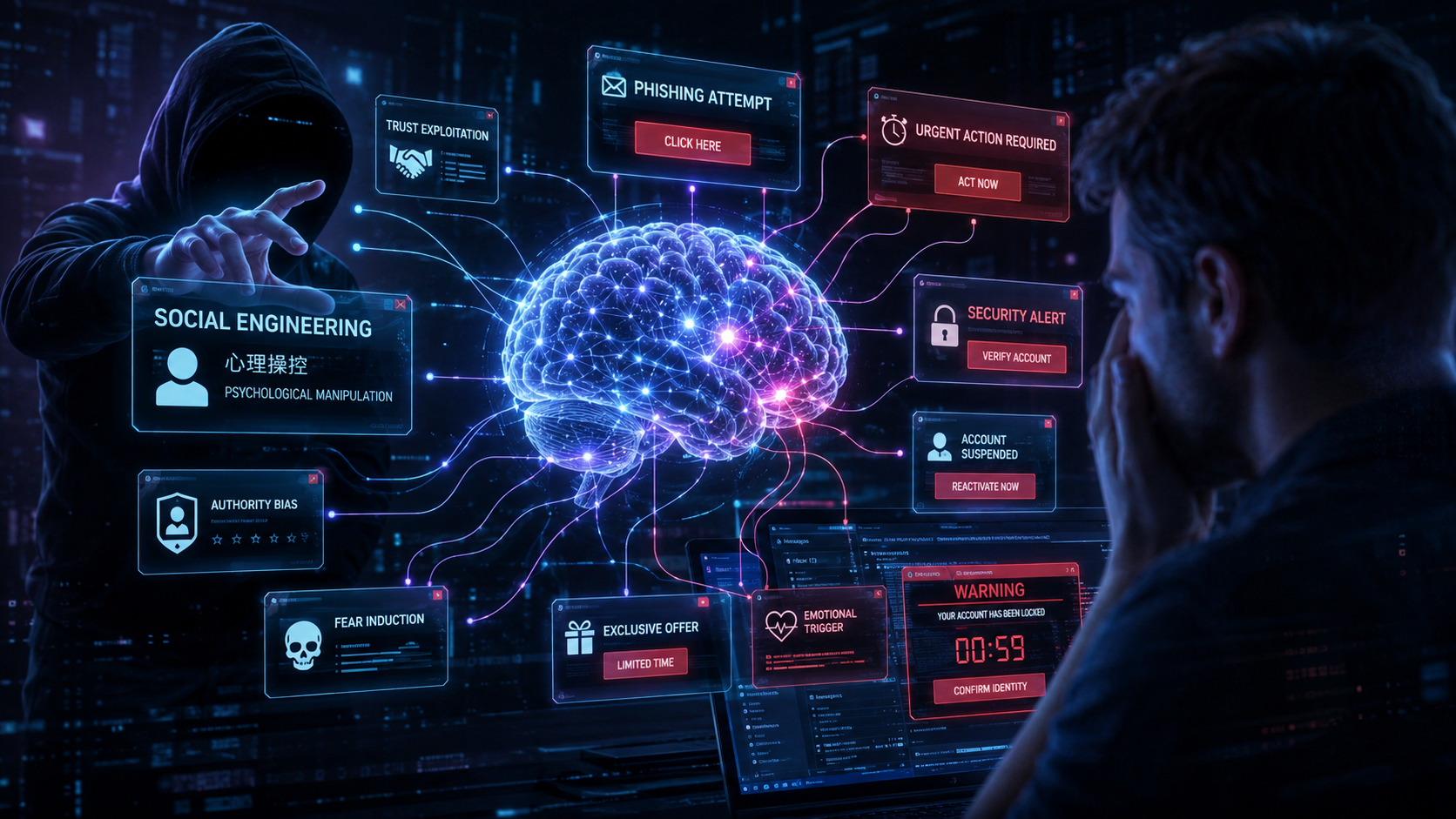
Most scams succeed because they manipulate emotions, not technology.
The Psychology Behind Why Smart People Get Scammed
Most victims are NOT unintelligent. Scammers exploit:
- Fear
- Authority
- Urgency
- Excitement
- Confusion
Victims make rushed decisions under emotional pressure. That is the real vulnerability.
Warning Signs Most People Ignore
- Someone asks you to enter PIN to receive money
- Someone sends QR for refund
- Caller creates panic or urgency
- Unknown collect request appears
- Someone asks to install AnyDesk
- Caller says “keep this confidential”
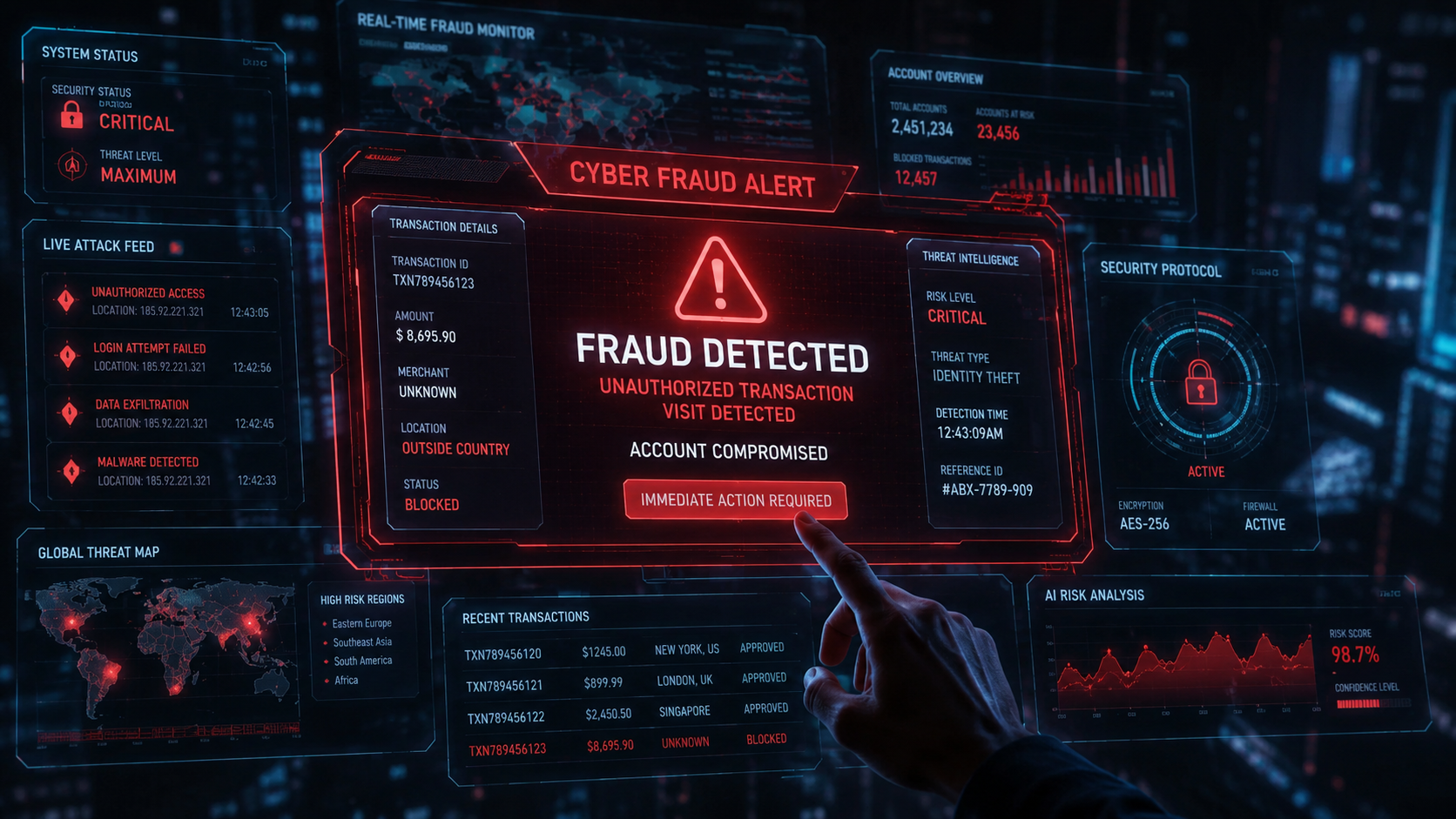
Fast reporting increases the chances of freezing fraudulent transactions.
What To Do If You Get Scammed
Emergency Action Required
Call: 1930 immediately.
Report at: cybercrime.gov.in
- Contact your bank immediately
- Freeze suspicious transactions
- Save screenshots & evidence
- Change UPI PIN immediately
- File cybercrime complaint
Safety Checklist Before Every Transaction
- I verified the QR code carefully
- I know who I'm sending money to
- No one pressured me urgently
- I did not install remote access apps
- I verified payment inside bank app
- I am NOT entering PIN to receive money
Final Thought
Virtually none of these scams involve hackers breaking the UPI infrastructure itself. The systems are secure. What gets exploited is:
- human trust
- human fear
- human confusion